2026-03-21
ArticleFood producers operating across various markets face evolving regulations, quality expectations, and customer demands. Meeting these requirements means adjusting production processes for each application without losing efficiency, safety, or compliance with local and international standards.
When producing food for global food industry markets, manufacturers can’t rely on a one-size-fits-all approach. Countries and regions have distinct consumer habits, safety rules, and technical expectations. From Europe’s tight hygiene standards to Asia’s emphasis on freshness or the U.S. focus on efficient volume production, the same production line often won’t meet every region’s demands.
Take labeling as an example. In some countries, traceability must be maintained at every stage, while others require strict control over allergens. That directly affects how adapting food production to regulations works in practice. Producers need to be flexible and precise – not just in terms of end products, but in the whole manufacturing process.
Different markets also have varied cultural and dietary preferences. What works for vege food in Germany might not suit buyers in South Korea. Similarly, the preparation of red meat varies between halal, kosher, and standard processes — each with its own production rules and inspection systems.
Beyond taste and ingredients, even cooking methods influence production needs. For example, baking in industrial quantities requires reliable control of heat and humidity that can be adjusted based on local recipe preferences. This means production lines must be highly configurable, especially when shifting between categories like convenience food and fresh fish.
To compete globally, food producers must consider:
This complexity is why food technology providers must offer solutions that support fast adaptation. Manufacturers who understand these requirements can confidently enter new markets with minimal disruption. The key lies in technology that allows flexibility without sacrificing speed or safety — a topic we’ll explore next.
No matter the product type, meeting food manufacturing compliance requirements isn’t optional — it’s business-critical. Automation plays a central role in helping manufacturers maintain precision, repeatability, and efficiency while also reducing the risk of human error.
Let’s take the production of dairy products as a case. Regulations related to pasteurization time, temperature, and traceability are extremely strict. Advanced automated systems ensure these steps happen exactly as required — every time. That’s how producers stay compliant with international food quality standards and avoid product recalls.
The same goes for the red meat industry, where hygiene and cutting precision impact both product quality and safety. Automation allows for controlled handling and portioning, which is vital in meeting the global food industry’s requirements. Especially when meat is exported, even slight deviations can result in the rejection of a shipment.
Here’s where automation directly supports regulation:
In high-throughput categories like convenience food, automation is not just helpful — it’s essential. It enables quick switching between recipes, packaging sizes, or even product types, while still meeting all applicable regulations. For industries like baking, automated ingredient dosing ensures batch consistency and prevents cross-contamination.
Overall, it’s not only about having efficient machines but also about the ability to trust that every batch meets the highest standard — even when switching between products or scaling to new markets.
Each food category has its own set of production challenges, and adapting processes to these needs is crucial. Whether handling raw materials, temperature-sensitive goods, or products that require precise shaping and mixing, different sectors need targeted solutions.
In red meat processing, cutting, tumbling, and marinating require robust machines that can operate with varying loads and product types. Equipment must handle muscle structures delicately, while meeting hygiene and portioning standards demanded by global food industry markets.
In contrast, vege food production depends heavily on exact blending and forming. Whether it’s plant-based burgers or vegetable patties, texture consistency is key. Machines must mix, cook, and cool products efficiently to meet both local tastes and international food quality standards.
Processing fish brings other complexities — such as filleting, skinning, and water content management. With global seafood exports growing, the need for clean, fast, and modular equipment is growing.
Now let’s talk convenience food, a sector where versatility is everything. Processing frozen meals, ready-to-eat salads, or sauces all demand different tools. Automation helps maintain throughput while meeting varied food manufacturing compliance requirements across regions.
In baking, accuracy in fermentation timing, ingredient dosing, and forming is vital. Batch differences here can affect shelf life and flavor.
And for dairy, pasteurization, separation, and filling must be executed with minimal risk of contamination. Efficient cleaning systems and thermal control enable producers to meet stringent hygiene standards without compromising production.
Each application highlights a common need: the ability to shift production quickly and safely across products — without compromising on compliance or efficiency.
NOMA Nowicki Machinery supports food producers with technology built for flexibility, control, and compliance. By understanding the real challenges of everyday production, we design machines and production lines that adapt to both local and international requirements.
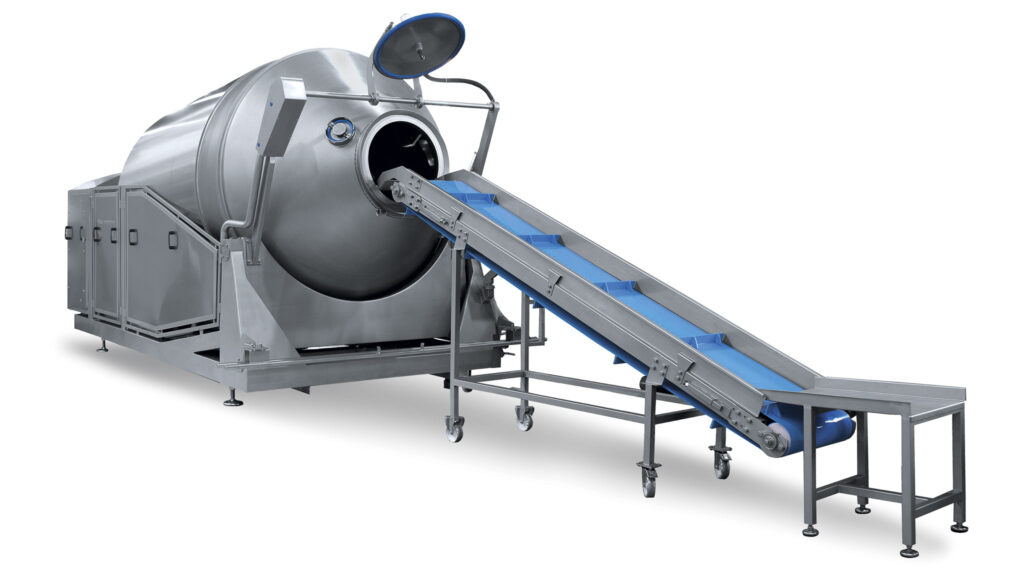
For example, in red meat processing, our tumblers and injectors enable efficient brining and portioning, supporting various market-specific formats. Our equipment helps clients meet food manufacturing compliance requirements and adapt to specialized processes, such as those for halal and kosher preparation.
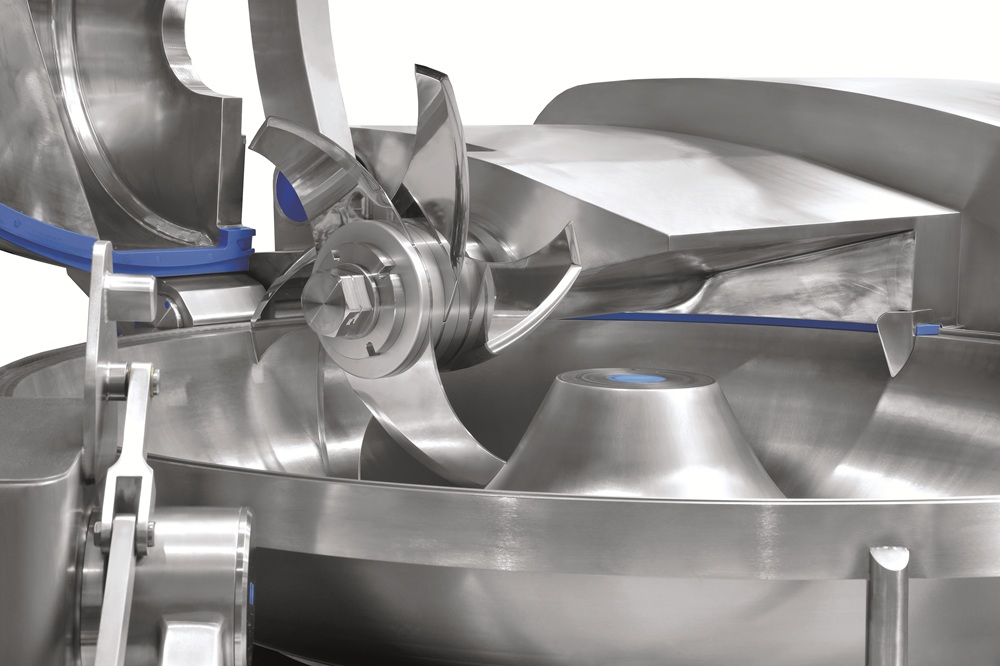
In vege food, we provide high-performance mixers and formers that ensure homogeneity and texture quality — critical to standing out in competitive global food industry markets. These machines allow for quick recipe changeovers while staying aligned with international food quality standards.
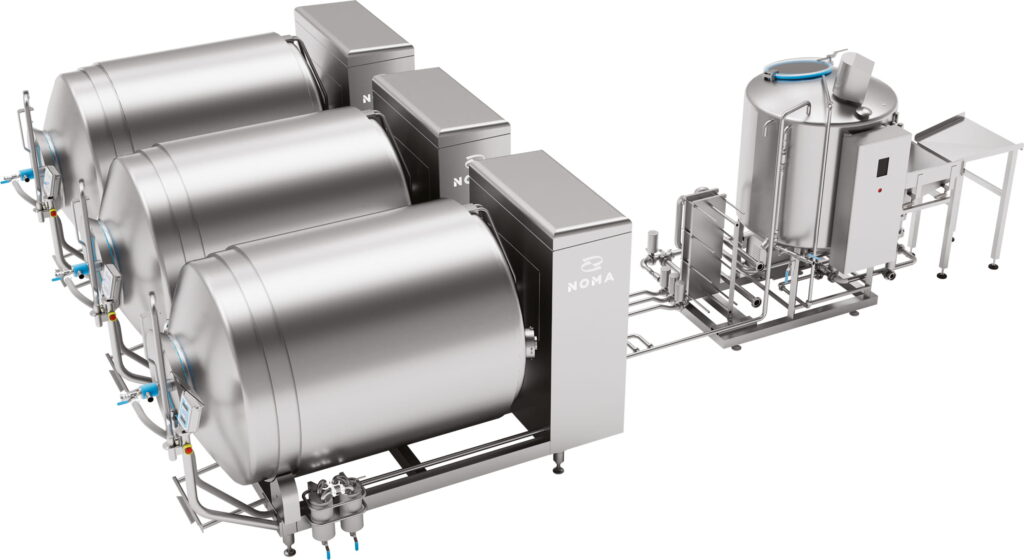
We also support dairy producers with thermal processing systems that offer precise temperature control and documentation — two key factors in meeting strict hygiene regulations. For fish, our solutions support delicate material handling to preserve freshness and structure, all while reducing downtime between batches.
Our experience extends into baking and convenience food, where we offer forming, mixing, dosing, and packing systems that maintain consistency, even during frequent line changes. This flexibility is essential when adapting food production to regulations that differ by country or buyer.
What makes this possible?
By choosing equipment that fits your production and compliance goals, you reduce the risk of costly errors and gain more control over your market expansion. Manufacturers ready to grow globally benefit from choosing solutions that adapt — not just machines that work.
Follow the latest events and changes in our company – stay up to date with what’s important.