2026-05-12
ArticleThe plant-based market is evolving faster than ever, driven by a global shift toward health and sustainability. To stay competitive, producers must embrace precision and efficiency. In this article, we explore how modern technologies are making plant-based food production more scalable, sustainable, and high-performing than ever before.
In recent years, we have observed dynamic growth in the veggie product market. More and more consumers are choosing plant-based food, which drives the development of this segment. The interest in this diet is a response to global consumer trends and growing ecological awareness. As a result, companies are increasingly investing in modern technological solutions that support the production of vegan food. This, in turn, translates into the availability of a wide variety of products on store shelves.
The demand for plant-based food also stems from a desire to introduce healthier eating habits. Many consumers pay close attention to the nutritional value and health benefits of a plant-based diet. In response to these needs, food producers are investing in the latest trends in vege food production. The use of advanced technologies enables the creation of products that meet the expectations of modern consumers. Consequently, the veggie food market is developing at an unprecedented pace and constantly gaining popularity.
Plant-based food producers face numerous challenges during processing. Maintaining flavor and the appropriate texture of products is of key importance. Consumers expect plant-based alternatives to match traditional products. Therefore, advanced technologies in plant-based product processing are becoming indispensable. They help achieve the desired sensory properties, which are crucial for market acceptance.
Proper product structure is just as important as taste. Customers want plant-based products to be comparable to their meat counterparts. Thus, producers seek innovative methods to obtain the right texture. The use of modern technologies allows for precise control over the production process, resulting in the high quality of the final product. These challenges motivate the continuous improvement of technological processes to meet the rising expectations of consumers.
Modern machinery for veggie food production significantly impacts the efficiency of plant processing. Devices such as bowl cutters enable precise and rapid cutting of raw materials, which is crucial for maintaining the quality of the final product. Their application allows for a uniform consistency, which is extremely important in the food industry. This makes it easier for producers to meet consumer expectations regarding the quality and taste of plant-based products.
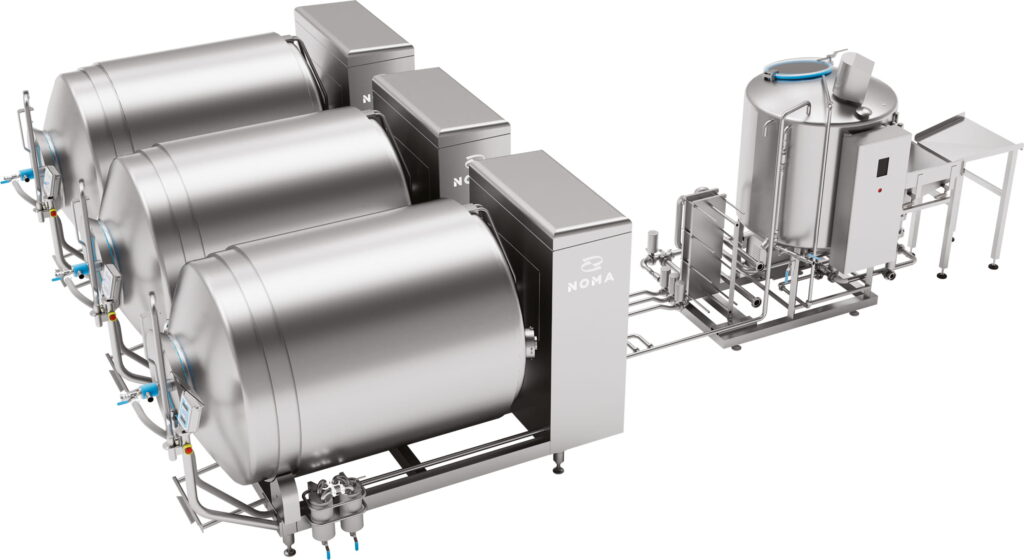
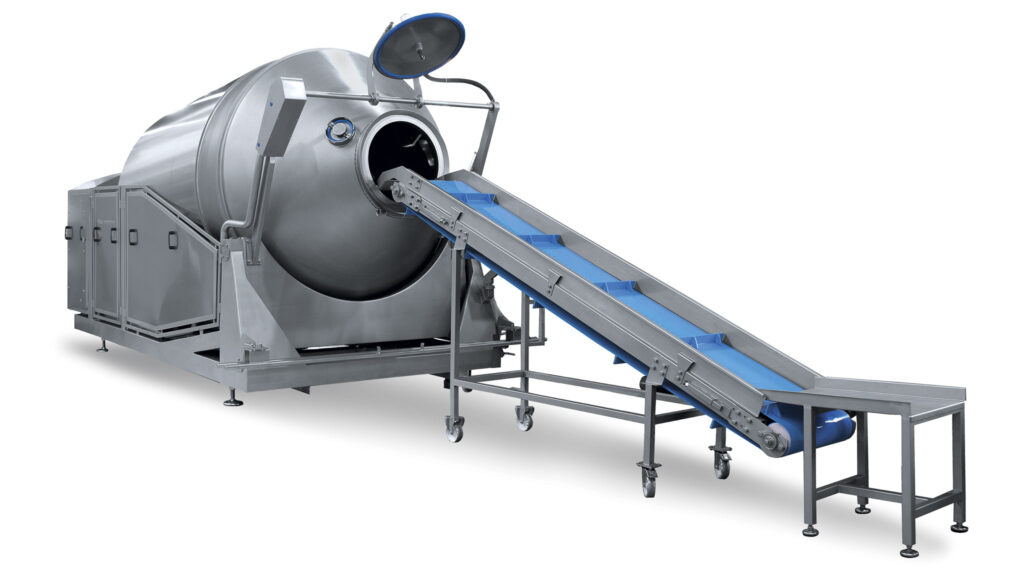
Mixers play a key role in ensuring the homogeneity of the product mass. Thanks to their precise operation, it is possible to maintain a stable structure and texture of the products. Furthermore,brine injectors and mixers are essential for achieving the desired flavor profiles and moisture levels. On the other hand,automatic lines support the production process by automating individual stages, which increases efficiency and minimizes the risk of errors. The application of these technologies allows for production optimization and cost reduction, which is vital in the competitive veggie food market.Automatic angle grinders (angle mincers) are an indispensable element of equipment in modern plant-based processing facilities. Their main task is the precise grinding of plant raw materials while maintaining the appropriate product structure. Thanks to their robust construction and advanced technology, angle grinders guarantee high throughput and uniform grinding of the mass. These devices are perfect for the production of plant-based alternatives, where obtaining a homogeneous consistency is key to the quality and palatability of the finished products.
Implementing NOMA technology in veggie food production brings numerous benefits. Thanks to these advanced solutions, producers can rely on efficient production and a significant increase in process repeatability. The precision of NOMA technology allows for maintaining high-quality standards, which is essential in the dynamically developing plant-based food sector. Automation and precise control of production parameters lead to better work organization and error minimization.
One of the key aspects is the reduction of raw material loss. NOMA technologies enable optimized use of raw materials, which significantly lowers production costs and reduces waste. This is not only an economic benefit but also an ecological one. With these technologies, producers can manage resources more effectively while contributing to the sustainable development of the food industry. Investing in modern technologies is therefore becoming a key element of the development strategy for contemporary companies.
Follow the latest events and changes in our company – stay up to date with what’s important.