2026-05-06
ArticleThe food industry is in a state of constant evolution, and the efficiency of production lines is often the deciding factor in market success. Discover the proven methods to boost throughput and optimize your manufacturing processes for maximum performance.
In today’s food industry, production efficiency is a vital factor in determining market success. Companies face mounting pressure to deliver the highest product quality while simultaneously driving down costs. This challenge necessitates the continuous optimization of production lines. The output of manufacturing processes directly impacts an enterprise’s ability to compete in a demanding marketplace. Efficient production lines allow for faster adaptation to rapidly changing consumer needs.
Constant optimization is essential to meet rising customer expectations and stringent quality standards. High production efficiency enables shorter lead times and a significant reduction in raw material waste. Businesses that invest in modern technologies gain a decisive competitive edge. Process efficiency allows for better resource utilization and increased profitability, which in turn strengthens the company’s market position.
Food production throughput depends on numerous factors that can significantly impact overall efficiency. One of the primary bottlenecks is the use of inefficient machinery. Outdated equipment contributes to frequent breakdowns and downtime, leading to substantial time losses. To achieve a meaningful increase in food production throughput, regular maintenance and equipment modernization are essential. Human error is another critical factor; these errors often stem from insufficient staff training or a lack of clear operating procedures. Any mistake can halt production and compromise product quality.
Production downtime remains a major challenge when trying to increase food production throughput. It can be caused by both inefficient machinery and human error. Therefore, it is indispensable to implement monitoring systems and comprehensive employee training. This allows for the rapid identification and elimination of issues. Introducing automation can significantly reduce the impact of these variables, thereby increasing production stability.
The implementation ofautomatic lines is an effective method for significantly reducing costs in food production. Automation eliminates many human errors and downtimes that have historically been a significant financial burden. This makes it possible to achieve higher production volumes without the need for increased labor input. Automatic lines are capable of continuous operation, allowing for a greater output of goods in a shorter timeframe.
Automating production processes not only contributes to cost reduction but also enhances the stability of the entire manufacturing system. Thanks to precision equipment and modern technology, we gain greater control over product quality. Therefore, investing in automatic lines yields long-term savings. Optimizing production processes through automation is a definitive step toward the future and maintaining a strong competitive position.
Modern solutions in the food industry are becoming an integral part of the strategy for any company aiming to improve production efficiency. Technological innovations, such as advanced monitoring systems and intelligent production lines, enable precise process management. They allow enterprises to react swiftly to irregularities and optimize their operations in real-time. The introduction of new technologies also leads to better raw material utilization, resulting in lower waste and higher-quality end products.
Contemporary innovations also encompass the automation of packaging processes and the application of robotics in warehousing. These modern solutions in the food industry not only increase efficiency but also enable adaptation to shifting market demands. The ultimate goal is to achieve sustainable development. Investing in technology is the key to building a competitive advantage and long-term success in the food sector.
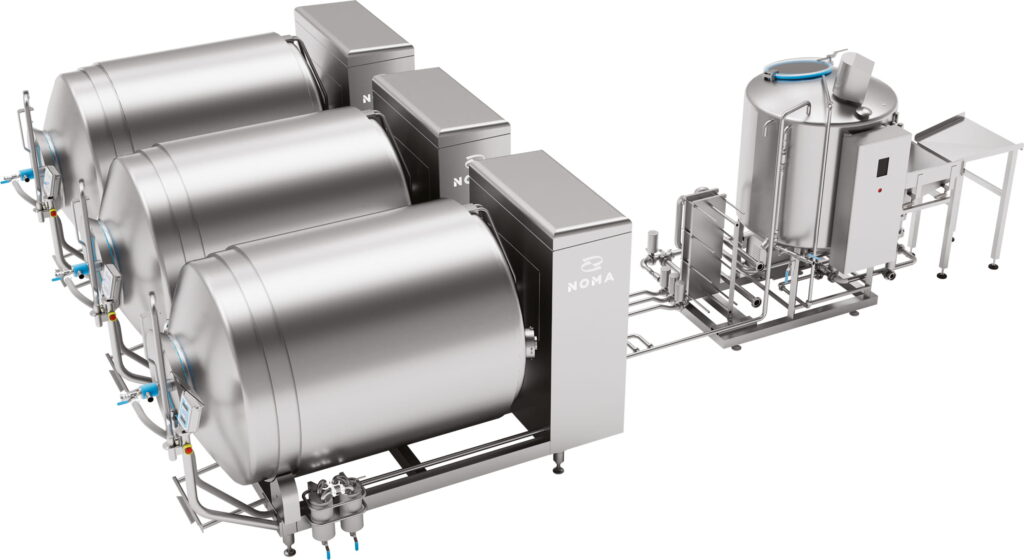
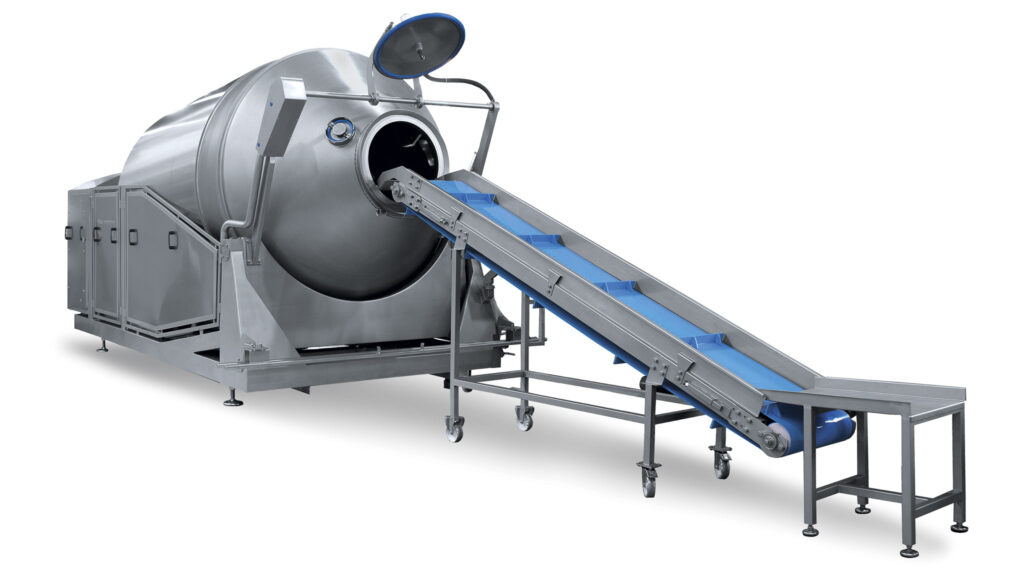
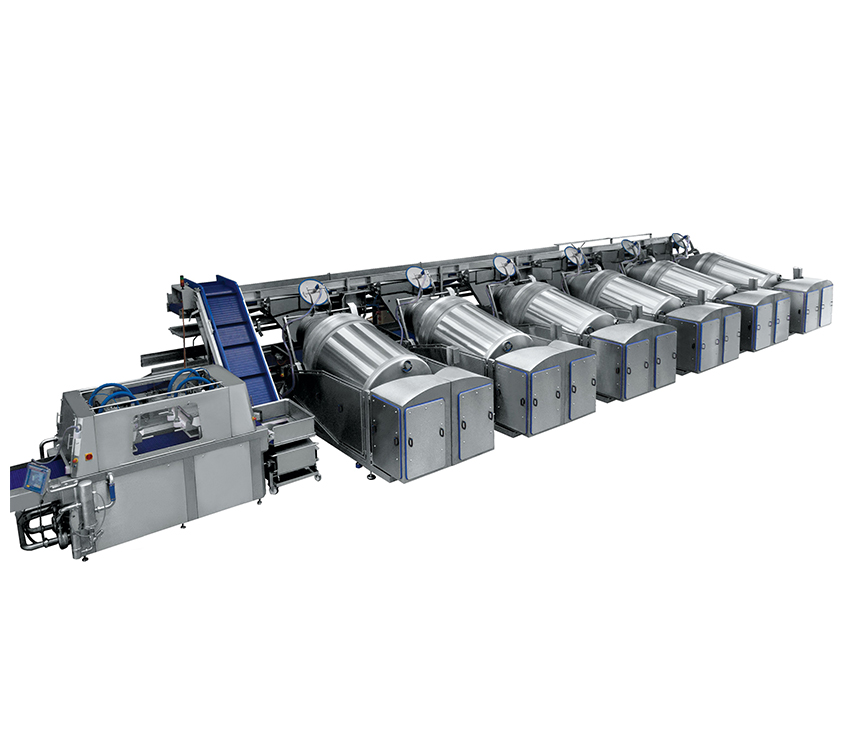
The integration of machinery is fundamental to achieving maximum production efficiency in the food industry. Connecting devices – such asbrine injectors and mixers andvacuum tumblers – into a single, unified system ensures a seamless manufacturing workflow. This allows every stage of production to be optimized, leading to increased throughput and reduced downtime. Integrating various machines brings a range of benefits that are invaluable for effective production management.
Key advantages of machine integration include:
The use of integrated production systems enables companies to adapt more quickly to changing market needs. This innovative approach guarantees competitiveness and the stable growth of the enterprise.
Follow the latest events and changes in our company – stay up to date with what’s important.